
Home Elevators for Seniors
Published on 30 Jun 2025
6 minutes read
✅ Introduction
Aging doesn’t mean giving up your favorite spaces. But if you live in a multi-storey home, it often means you need to rethink how you move between the. That’s where home elevators for seniors are quietly becoming one of the smartest additions to residential living. And no, they’re not just for luxury homes or medical needs anymore. They’ve evolved—and now, they're reshaping what it means to grow older at home. Let’s dive into why.
✅ Understanding the Rising Demand for Home Elevators Among Seniors
Stairs can become an everyday hurdle for older adults. It’s not just about tired knees or occasional balance issues—it’s about the uncertainty that creeps in. One wrong step, one slip, and life can change. More families are realizing that investing in an elevator means protecting a senior’s independence, comfort, and mobility, without pushing them toward downsizing or assisted living. So instead of viewing elevators as a sign of aging, people now see them as a symbol of smart planning. They ensure a home stays accessible—not just today, but well into the future.
✅ Key Features That Define a Senior-Friendly Home Elevator
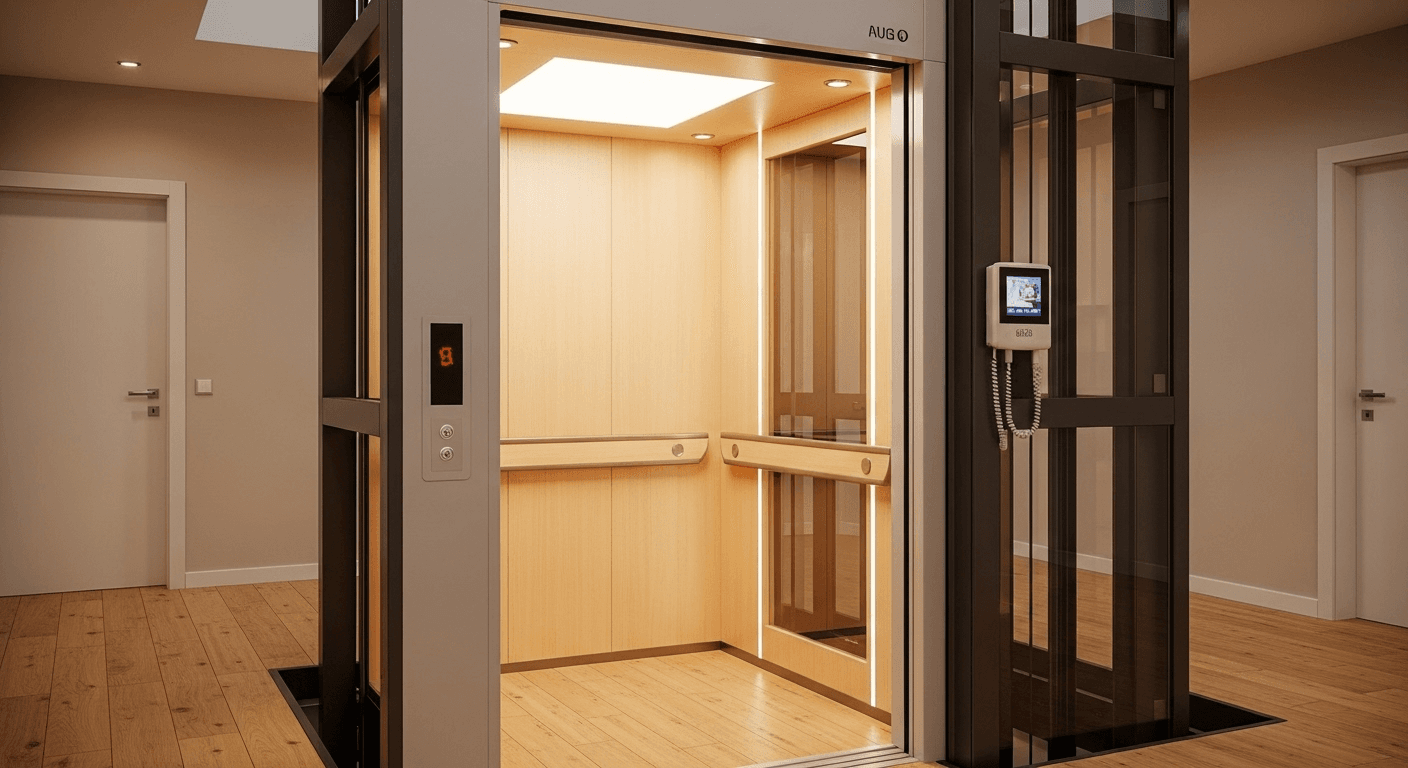
It’s not enough to just install any lift. When designed with older adults in mind, a few subtle—but—critical—features make a big difference:
🔹 Flat, step-free entry: No tiny ledges to trip over. A smooth entrance helps prevent falls.
🔹 Quiet, gentle motion: No jerks or sudden starts that might make someone unsteady.
🔹 Spacious cabin: So a user can step in comfortably, or even fit a walking aid or wheelchair if needed.
🔹 Clear, easy controls: Large buttons, simple layouts, or even touchless technology.
🔹 Strong lighting and handrails: Visibility and stability matter more than ever.
🔹 Backup power: In case of an outage, no one’s stuck halfway between floors.
All of this adds up to peace of mind—for both the user and their family.
✅ Home Elevators for Seniors: No Need to Rebuild Your House
If you’re worried that installing a lift means major construction, you’re not alone. But the truth is: modern home elevators for elderly people don’t need deep pits, separate rooms, or massive renovations. Some models are self-contained, compact, and don’t require structural changes. That means they can fit into corners, stairwells, or even open-plan living areas. Many are designed specifically to suit homes that were never built with lifts in mind. The installation process? Often less than a week, with minimal disruption.
✅ Best Home Elevator Types for Seniors
If you’re just starting your research, you’ll find there are a few different kinds of home elevators. Here's what you’ll want to know:
📌 Air-Driven (Vacuum) Elevators
These look futuristic but are highly practical. They're small, don’t need cables or shafts, and can be installed quickly. Ideal for existing homes, they also offer a panoramic view, great for people who don’t like enclosed spaces.
📌 Hydraulic Elevators
A bit more robust and require more space, but they’re whisper-quiet and offer a very smooth ride. Great for larger homes or when comfort is the top priority.
📌 Gearless Traction Elevators
Highly efficient, long-lasting, and reliable. These lifts are energy-efficient and offer excellent ride quality, especially useful if you expect to use them multiple times a day.
Each has pros and cons, but the key is to focus on usability, safety, and comfort.
✅ How Home Elevators Improve Senior Lifestyles
Installing a home elevator changes how seniors interact with their home, but it also changes how they feel in their home.
🔹 Instead of avoiding the stairs, they visit every floor.
🔹 Instead of asking for help, they regain control.
🔹 Instead of feeling limited, they feel free.
The mental shift is real. And it’s powerful. Many seniors say that an elevator made them feel less like a patient and more like themselves again.
✅ Elevators That Fit Your Home and Lifestyle
If you’re picturing an industrial metal box, think again. Today’s senior-friendly home elevators can be fully customized. From wooden finishes to glass panels, from minimalist to decorative—there’s a style to suit every kind of house. That means your elevator doesn’t just add function—it can become a beautiful part of your interior design. In fact, some models even boost the resale value of your property, especially as more homebuyers prioritize accessibility.
✅ Home Elevators for Seniors: A Cost-Effective Choice?
Let’s talk about the numbers. An average home elevator can cost anywhere between 12 Lakh to 42 Lakh, depending on the type, number of stops, design, and features. While that may sound like a big upfront investment, it often pays off in the long run. Here’s how:
🔹 No need to move or remodel your home later.
🔹 Fewer risks of injury from stairs.
🔹 Less reliance on caretakers.
🔹 Increased property value.
🔹 Complete independence.
In other words, the value isn’t just in what you save—it’s in what you gain back: time, freedom, and confidence.
✅ Secure Independence with Smart Planning
Even if you’re still active and healthy, installing a lift now means you’re preparing your home to support you for decades to come. The truth is, most homes are not designed for aging. But they can be—with just one thoughtful addition. And for many seniors, this decision is less about reacting to a health issue and more about staying ahead of one.
✅ Quick Checklist: What to Consider Before Installing a Home Elevator
🔹 How many levels do you want to connect?
🔹 Will the elevator need to accommodate a wheelchair or walker?
🔹 Where in your home would it fit best?
🔹 Are aesthetics important to you?
🔹 Do you need backup power in case of outages?
🔹 Who will use it most, and how often?
Once these questions are answered, a professional can guide you toward the right model for your needs.
✅ Elevators Aren’t a Luxury—They’re a Lifestyle Choice
For years, home elevators were seen as luxuries. Now, they’re considered essential in many homes designed for longevity. Especially for seniors, they offer a way to keep living life fully, without adjusting to limitations or moving away from beloved spaces. And the best part? The lift you installed today isn’t just for now. It’s for tomorrow. For rainy days. For recovery periods. For visiting grandkids. For peace of mind.
✅ Closing Thought: A Small Addition, A Big Change
Aging doesn’t have to mean giving up space, stairs, or style. With the right home elevator, seniors can embrace a home that grows with them, not against them. It’s not just about going floor to floor. It’s about staying rooted in the place that feels most like home, without compromise.